


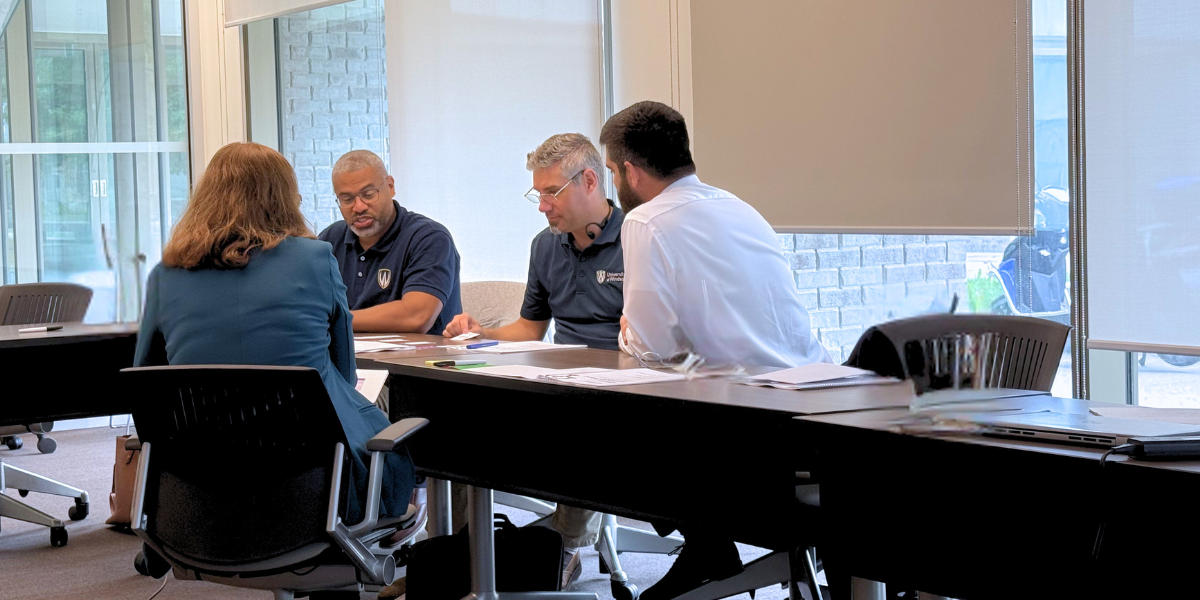
Fun fact: a lot of people are “project managers” without knowing it.
Project delivery for non-PMs often starts like this: your boss comes by and asks you to handle something that has a starting point, an end point, and too many moving pieces to be considered a “task.”
Congratulations, you may have just been given a project.
In practical terms, the Project Management Institute defines a project as a temporary endeavour that is meant to create something specific: a product, service, result, improvement, or change. To get there, you often need to coordinate people, clarify decisions, track timelines, hunt down updates, and deal with shifting priorities.
You Don’t Need the Title to Deliver Better Projects
But project delivery for non-PMs does require a few practical habits: define the outcome, clarify who owns the work, communicate honestly, and adapt when things change.
To better understand project delivery in practice, we spoke with Alicyn Cusinato and Nigel Bertrand, two local professionals who have both earned their PMP designations and bring project management thinking into the work they do every day. We were curious about what helps people deliver successful projects, especially when project management is part of the work but not always part of the job title.
Across both conversations, the first insight was that better delivery starts before the work begins.

Define the Value Before You Define the Work
Saying ‘yes’ before getting enough information is a common project killer.
Naturally, pushing back can be hard, especially when someone frames request as ‘urgent.’ But before people start assigning tasks, booking meetings, or building a plan, we need to understand what the project is, who it serves, and why it matters.
“Better projects start with better comprehension,” Nigel Bertrand shared. Bullet points can be valuable as a starting place. However, there still needs to be enough information to make a clear case for the work. Why should we do this project instead of something else?
Projects often start where ideas, needs, urgency and emotions meet. But the process of moving from idea to action is one of refining and editing. “It’s important to know how to understand the core goal.” Alicyn Cusinato stated. “We have to know where to start to get accurate and reliable information and to be able to discern what is true and useful.”
Better Project Delivery Starts with Better Questions
Better questions matter because projects cost people’s time, energy, attention, and trust. Although there are many good things to do, organizations can’t afford to pursue them all. Filtering and prioritizing what teams work on is essential. Project leaders only have so much goodwill, attention, and capacity to spend. At the end, they need to have something to show for it.
A few useful questions can help:
- What problem are we solving?
- Who is this for?
- Who (else) might I need to talk to?
- What does success look like?
- What will be different when we finish this project?
- What information do we need before we move forward?
Without that clarity, a team can complete a project and it can still miss the mark if it doesn’t create the value people need and expect. Defining the value first helps make sure the team is moving in the right direction.
Clarify: Who Owns What Now?
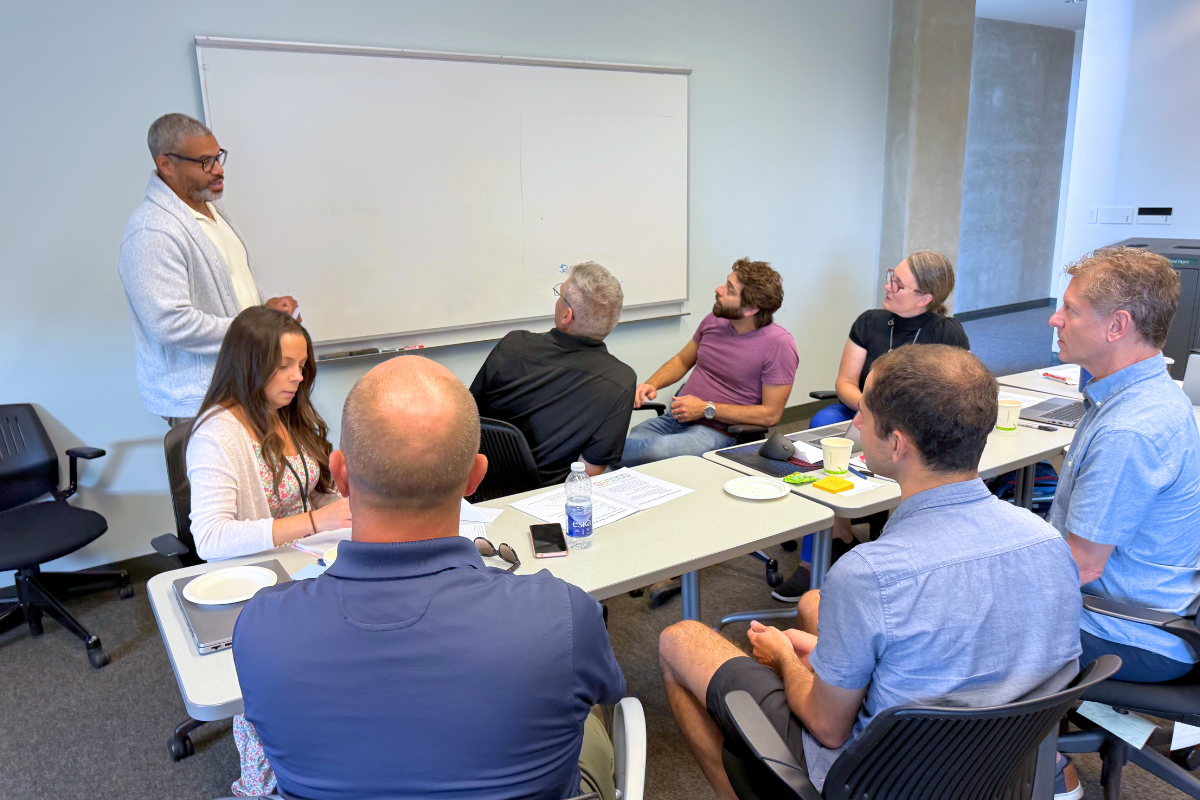
Once the work has a purpose, the next logical question is ownership.
No one wants to work on a project that feels like an Abbott and Costello sketch — a circular conversation where everyone leaves confused and no one knows if the bases are covered.
Just because people talked about the work doesn’t mean the team is clear about who owns what, who’s doing what next, who needs to know about it, or where all that information lives.
Prepare for Your Project to Change
Project tasks need an owner, and sometimes two or three people who serve as additional points of contact because they don’t happen in perfect conditions.
Staff change roles. People get sick, go on vacation, or get pulled into other priorities. Specialists may only be needed for one part of the work. There can be a lot of movement. As a result, a project that depends on one person’s memory or availability is fragile.
Ownership isn’t only about naming a person. It also means making sure the work is visible enough for others to support when circumstances change.
Make the Work Easy to Find
That’s where documentation comes into play.
A central place to keep project work and documents offers structure, access, and flexibility. The additional stability is important because people often need to understand, support or maintain work they didn’t create.
To create that stability, teams should be able to answer:
- Who owns the task?
- Who is accountable for the outcome?
- Who needs to be consulted or informed?
- Where are we keeping our work?
- What decisions have already been made?
- What do we still need to make a decision on?
Project Delivery Depends on Communication
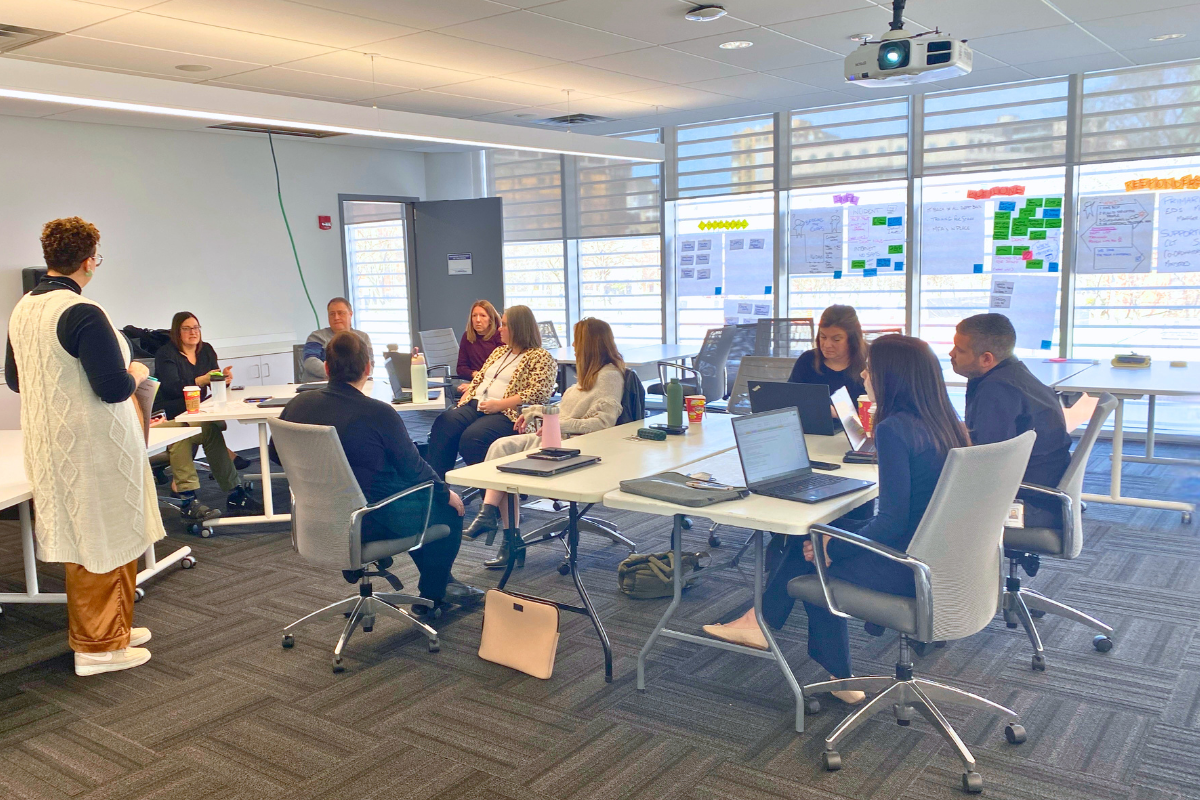
The people doing the work are not the only ones who need to know how it is progressing and what’s going on.
“The role of a project manager is to be an informer,” Bertrand observed.
In practice, meetings, messages, one-on-one conversations, and follow-ups reinforce the project’s “why”. They reveal when there is alignment, where there are gaps, and what needs to happen when situations change.
Project leaders are also advocates for their teams, sharing pictures of what’s possible. That advocacy means being willing to have candid conversations.
“Don’t be afraid to speak up when things don’t make sense,” Cusinato advised. “Don’t agree to a 2-week deadline for work you know will take 3 months.”
Setting expectations helps others understand what is possible, what’s manageable, and what the trade-offs are. That can take courage.
“Even if your project is on fire – communicate. Over communicate.” Bertrand advised. “No one likes to be surprised with bad news. Set aside your pride and be transparent about your successes and failures.”
Keep Alignment Visible
In other words, project communication is an art.
Connecting the people and information that leads to meaningful results takes finesse. Communication needs to be clear, candid, and courageous. It also needs to invite continued dialogue. That is especially true when new requests appear.
“Don’t be a ‘no’ person,” Betrand said. “Be a ‘yes, but…’ person. Yes, we can do that, but what are you willing to give up?”
Project Delivery is a Process, Bring People With You
It’s important to include people, listen to their needs, understand their expectations and bring them along as the project progresses.
One way to do that is through regular touch-base conversations with stakeholders. These conversations let project leaders do an ‘alignment check’ on the work. They don’t need to be long, and asking a set of standardized questions makes it easier to notice when expectations seem to shift, or decisions aren’t as clear as they seemed. The next step is making sure those conversations don’t disappear into memory.
A simple written summary can be very helpful:
- What, if anything, has changed?
- What was decided?
- What is still undecided?
- What’s the next step and who owns it?
Adapt When Reality Changes
Projects rarely go as planned. There are numerous quotes about plans and first contact with the enemy. For a reason.
That is why planning is less about predicting every step perfectly and more about noticing when things are shifting.
As Bertrand put it, “Project management will make you humble. There will always be a surprise.”
When that surprise arrives, the most useful questions aim at creating more clarity:
- What changed?
- What is now at risk?
- What needs to be reprioritized?
- Who needs to decide?
A change in the plan is not an automatic failure. It’s what happens when yesterday’s plans meet tomorrow’s circumstances. Knowing when and how to make changes is the key.
Remember That Projects Move Through People
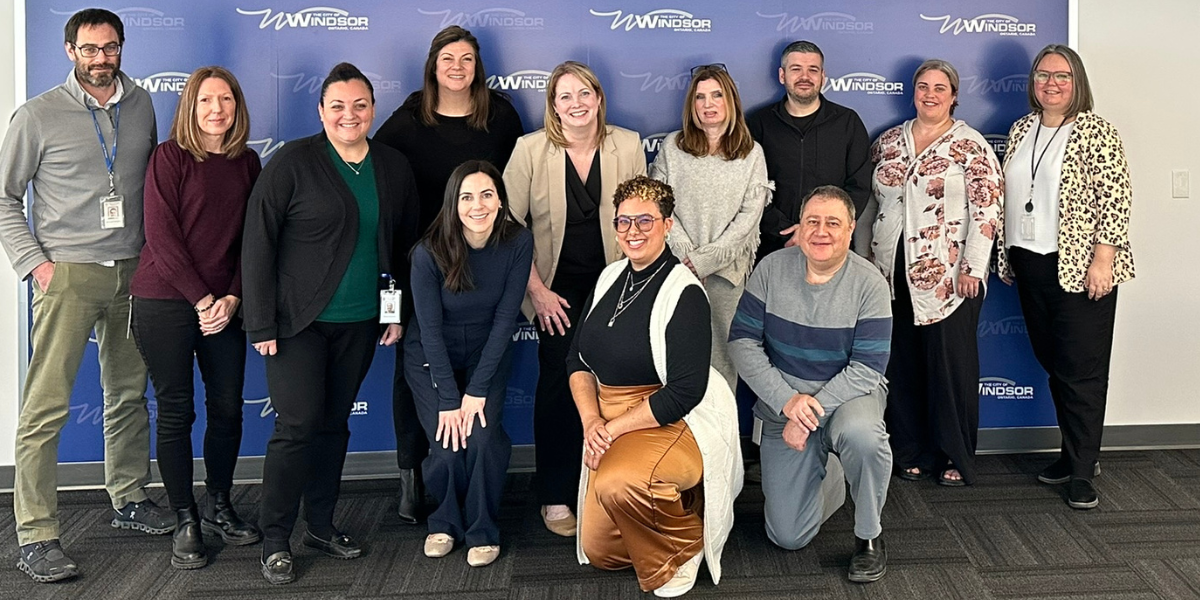
Delivering projects is more than timelines, tasks, and tools. People work together. People create the value.
Leading a project is a relational job and it doesn’t work without trust.
For Cusinato, that trust is built “through a series of honest conversations” with stakeholders and team members. “We need to learn each other’s working styles and the expectation we have,” she said. “We keep each other’s best interests in mind, along with what’s best for the organization.”
Better Project Delivery Starts with the Basics
Taken together, the advice is practical and clear. Ask better questions before the work begins. Clarify who owns what. Communicate with courage when things change, slip, or no longer make sense. Stay open to adapting when ‘the real world’ changes your plans.
A title doesn’t magically enable you to do those things. In fact, a theme we heard repeatedly was that a project manager’s relationships are more valuable than their titles. Projects are about doing things with people and for people.
That is the subtle art of project delivery for non-PMs: helping people understand the why, the goal, the work, and the next steps. You don’t need the title of Project Manager to deliver great projects, but the work still needs someone willing to create clarity.
Meaningful, stress free change starts with engaging your team in collaborative communication. Find out how CWE can facilitate the those conversations by learning more about membership today.