


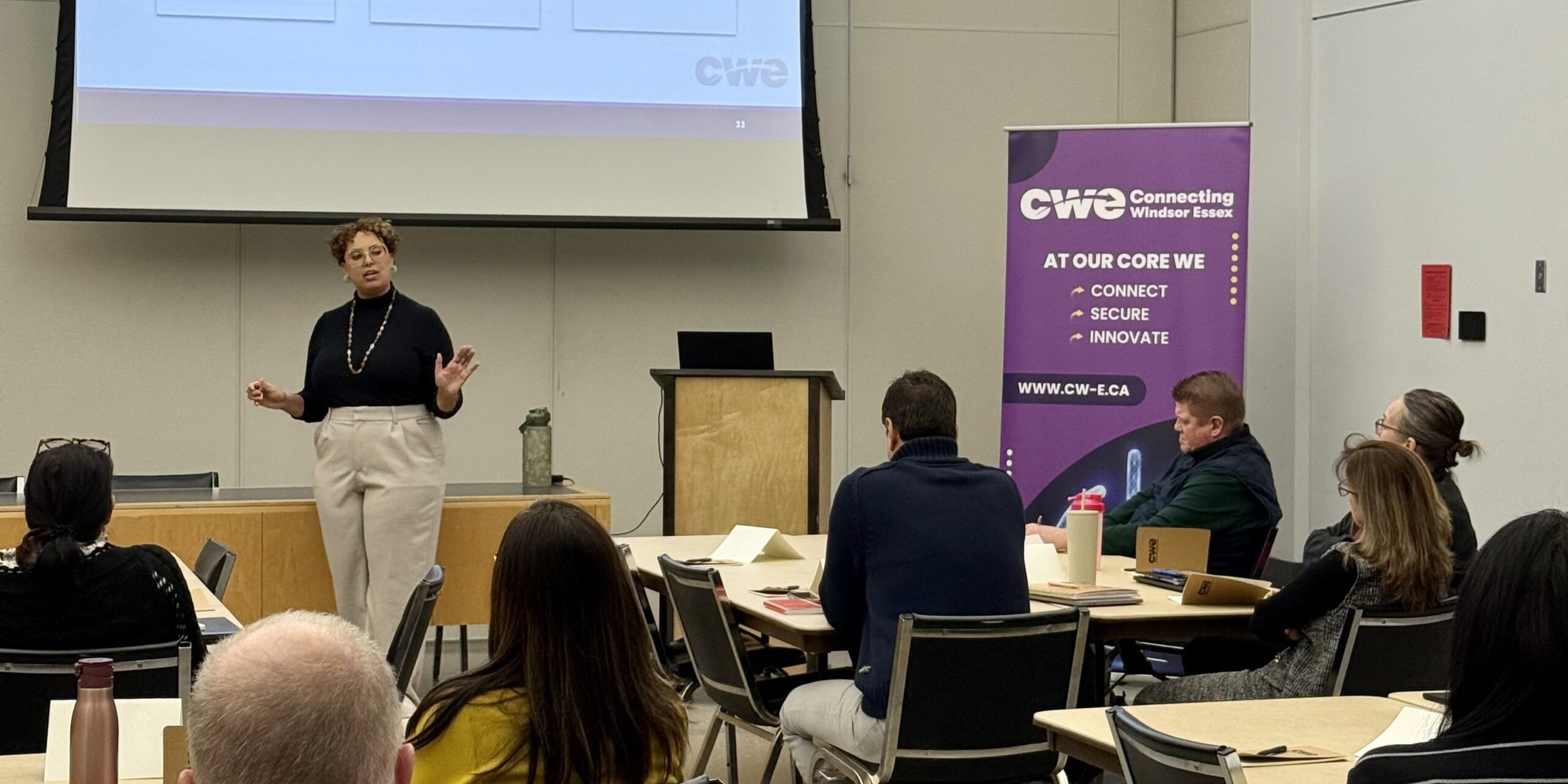
Cybersecurity can feel overwhelming, but clarity starts with the basics. Even the most advanced cybersecurity tools can’t protect your organization if your people don’t know how to use technology safely and responsibly. By boiling down complex security concepts into easy to understand digital hygiene habits, we can create a critical foundation for reducing risk. It starts by teaching team members at every level to understand how even small, mundane actions have a big impact on security.
What is “Cyberhygiene”?
Cyberhygiene refers to simple, routine practices that keep your digital world secure in the same way personal hygiene keeps you healthy. It includes basic things like keeping on top of software updates, using strong passwords, double checking links, and backing up important files. The key is that staying consistent on these things can block most cyber threats by reducing common vulnerabilities. For technical folks, these actions might seem obvious. It’s important to recognize that for many people they may be new or even challenging to adopt.
Why Cyberhygiene Training is Important
Cybersecurity experts routinely list human error as the number one cybersecurity hazard (source). Risky behavior happens every day, and it’s not just obvious red flags like clicking phishing links. Many people assume that if something is possible, it’s sanctioned (like reusing old passwords or ignoring update prompts).
You can’t block every bad choice; that’s where training comes in. Instead of assuming basic habits are common sense, your organization can be proactive by showing people what they should be doing and how. This prevents bad choices at the source and empowers your team to be part of the solution. Quality cyberhygiene training programs flip the script, making staff part of your defensive strategy instead of an accidental vulnerability.
Offering training also helps ensure compliance and supports audit readiness. Regulatory frameworks emphasize that strong cyber defense depends not only on technology, but on people and processes.
What Should Cyberhygiene Training Cover?
Training should include fundamental security habits employees need to practice daily as well as awareness skills that reduce human‑driven risk:
- Device and Network Safety: Employees may consider any device, network or website they can access free game. They should be given a primer on the dangers of public Wi-Fi, privacy and security settings (where to find them and how to use them), and how to operate securely across environments – whether onsite or remote.
- Update and Patch Awareness: Users often think of updates as an unnecessary inconvenience. They should understand that failing to patch remains a top cause of breaches, what prompts should look like, and how to avoid delaying them.
- Recognizing Phishing and Social Engineering: Employees must learn to identify suspicious messages by recognizing the most common manipulation tactics, as well as how to report promptly and through the right channels.
- Secure Passwords and MFA: Staff need to understand what a strong password looks like, why it’s important create one, along with why and how often it will need to be changed. Introducing slightly more advanced topics like multi-factor authentication and password management tools is also crucial.
- Data Handling and Backup Awareness: While IT often manages backup systems, employees should know how to store and handle important data properly to support those systems.
- Communication From IT: It’s critical that staff know what to expect from IT so they can avoid scams and prevent panic in an emergency. Training should answer questions like; “What sorts of things will IT never ask me for or ask me to do?” and “What does real emergency communication look like from IT?”
- Report, Report, Report! We’re often asked, “When is it too late to fix my mistake?” It’s important that employees know the answer to that question is… NEVER. Make sure staff understand that reporting concerns is the best way to protect their organization.
Cyberhygiene Training Is Now a Strategic Imperative
Equipping employees with the right knowledge reduces risk, improves compliance, and strengthens resilience against evolving threats. For IT leaders, investing in training is one of the highest impact steps you can take to protect your organization.
Meaningful, stress free change starts with engaging your team in collaborative communication. Find out how CWE can facilitate the those conversations by learning more about membership today.